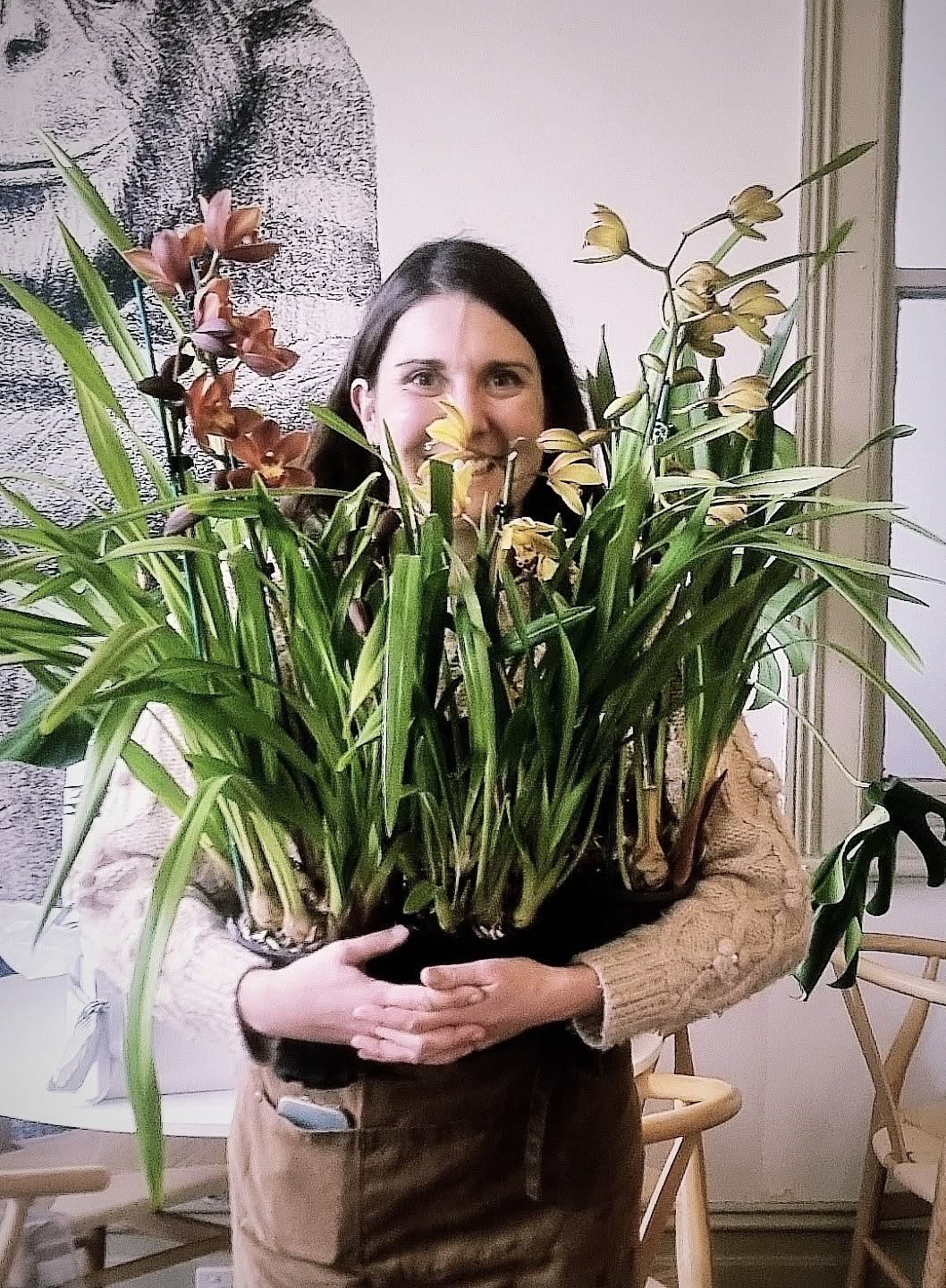
Big Beauty, Miniature Charm
With their elegant flower spikes, richly coloured blooms and arching evergreen foliage, Cymbidium orchids bring something special to a garden or floral display. Whether you prefer the bold presence of a standard variety or the smaller flowers of a miniature, these orchids offer a beautiful combination of versatility and lasting appeal. Best of all, you do not need a tropical greenhouse to enjoy them: many hybrids grow well in sheltered outdoor positions in temperate parts of Australia. These remarkable plants were highly prized during the Victorian era and valued by collectors and quite valuable.
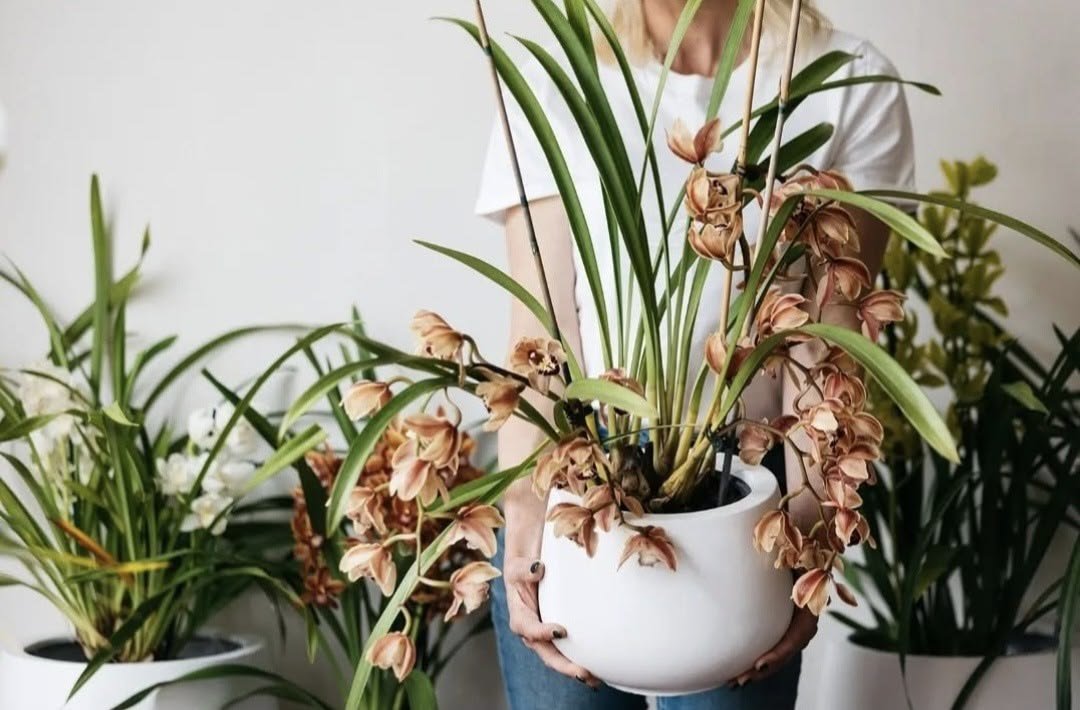
Standard or miniature: which suits your space?
Standard Cymbidiums are the statement-makers. Their larger blooms sit along upright or arching spikes above substantial clumps of strap-like leaves. Some varieties can reach around 1.2 metres in flower, making them ideal for spacious patios, sheltered entrances and impressive seasonal displays. Allow room for both the foliage and the flower stems when choosing a position.
Miniature Cymbidiums generally have smaller flowers and often a more compact habit, although “miniature” does not always mean a tiny plant. Many reach roughly 30–60 centimetres, with size varying by hybrid. Their spikes may be upright, arching or pendulous; cascading varieties look particularly lovely in hanging baskets or on raised stands. Some miniature hybrids tolerate warmer conditions better than standards, but it is worth checking the requirements of the particular variety before buying.
From patio plants to beautiful floral arrangements
Cymbidiums are wonderfully versatile. A flowering pot can brighten a veranda, create a welcoming entrance or become a living centrepiece for a special occasion. Miniatures are useful where space is limited, while standards provide height and impact. Even between flowering seasons, their evergreen foliage gives a display shape and texture.
Their blooms are also valued as cut flowers, lending themselves to bouquets, vase arrangements, corsages and event styling. Colours range from white and cream to pink, yellow, green and deep burgundy, often with contrasting markings on the lip. Flowers can last for several weeks on the plant, while cut stems may remain attractive for two to four weeks with suitable care. Actual longevity depends on the variety and conditions.
Finding the right position
Choose a position with bright, filtered light, gentle morning sun and protection from harsh afternoon sun, especially in summer. A sheltered patio, an airy shade house or a spot beneath lightly filtering tree cover can work well. Avoid deep, permanent shade: a plant may produce plenty of leaves without receiving enough light to flower. Introduce stronger light gradually rather than moving a shaded plant straight into the sun.
Many commonly grown Cymbidiums benefit from cooler nights in late summer and autumn, which help initiate flower spikes. In temperate southern Australia, sheltered outdoor growing often provides this seasonal change naturally. Protect plants from frost, extreme heat and strong winds, and maintain good airflow around the foliage. Miniature hybrids vary in their temperature needs, so follow the grower’s advice for your chosen plant.
You can enjoy a flowering Cymbidium indoors in a bright, cool room, away from heaters and hot sun through glass. However, a permanently warm or dim room may not support reliable repeat flowering. Think of indoor display and year-round growing as separate needs, and return the plant to suitable growing conditions afterwards, acclimatising it gradually.
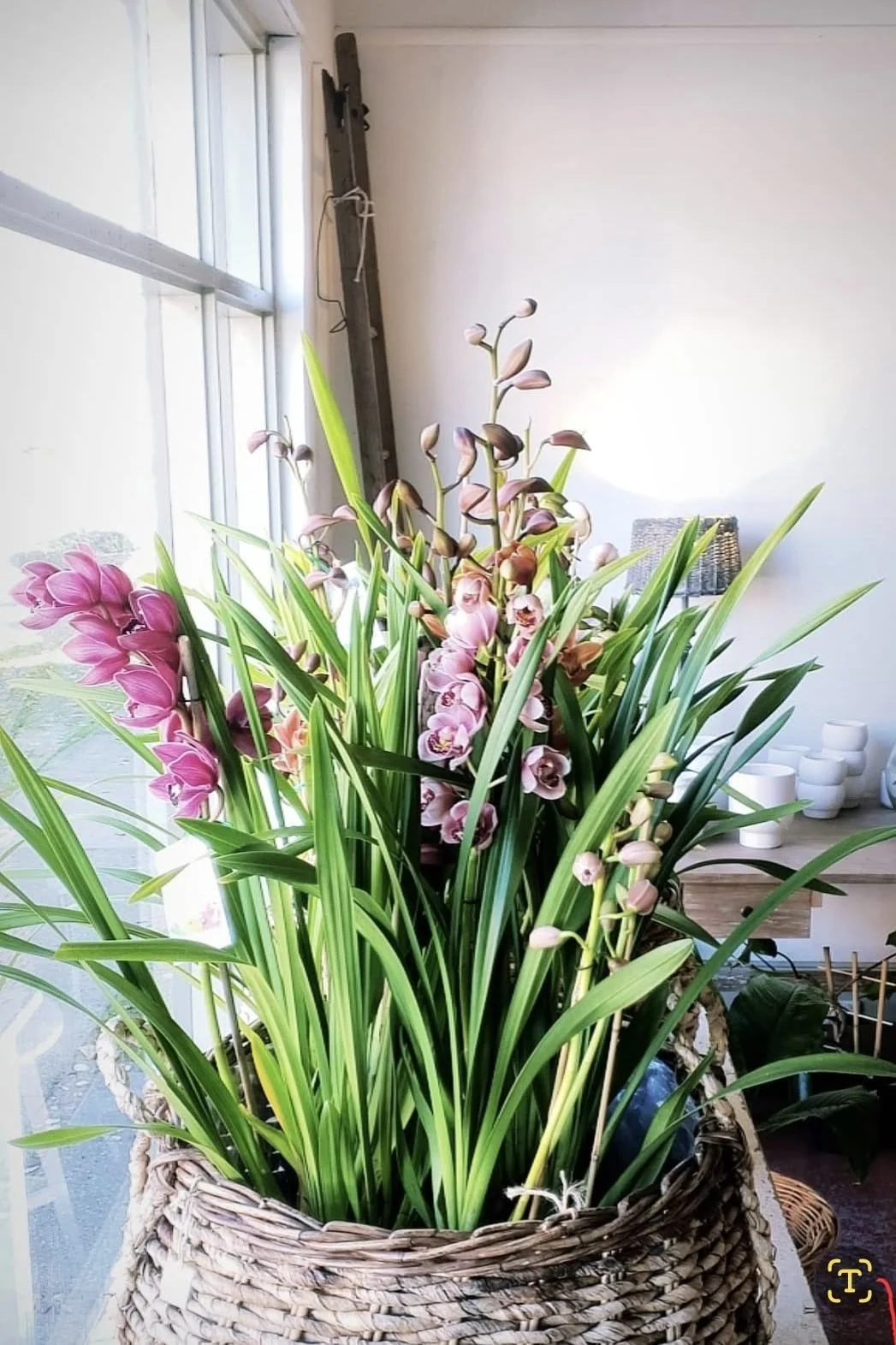
Maintenance made manageable
Water for the season, not the calendar
During active spring and summer growth, water thoroughly and let excess water drain away. Aim for an evenly moist mix rather than a soggy one. As temperatures fall and growth slows, reduce watering, but do not leave the plant dry for prolonged periods. Check the mix before watering: pot size, weather and growing conditions matter more than a fixed weekly schedule. Smaller pots may dry faster than larger ones. Never leave the nursery pot standing in water inside a decorative container.
Feed steadily during growth
Use a fertiliser suitable for orchids, following the product’s dilution and application instructions. Feed regularly while new growth is developing, then reduce feeding as growth slows. Occasionally flush the potting mix with plain water and allow it to drain freely to help prevent fertiliser salts from building up. More fertiliser is not a substitute for adequate light or suitable seasonal temperatures.
Repot when the mix or plant needs it
Choose a free-draining, bark-based mix formulated for Cymbidiums rather than garden soil or a dense general-purpose potting mix. Repot when the mix begins to break down or the plant has genuinely outgrown its container—often every two to three years. After flowering, usually in spring for winter- and spring-flowering varieties, is a useful time. Select a pot that accommodates the roots with modest room for growth, rather than an oversized container that stays wet.
If dividing a large clump, retain at least three or four healthy pseudobulbs—the swollen stems that store water and nutrients—in each division, including a new growth where possible. Very small divisions can take longer to flower. Keep healthy older pseudobulbs where practical, and remove dead roots and decayed material using clean tools.
Keep flowers supported and check for pests
Support upright flower spikes with stakes and loose ties if needed, while allowing naturally cascading varieties to hang freely. Once a spike has finished flowering, remove it near its base without damaging nearby growth. Inspect leaves, buds and the undersides of foliage regularly for aphids, scale and mites, and watch for slugs and snails around emerging spikes. Good airflow, tidy surroundings and early attention to problems make ongoing care easier.
Growing leaves but no flowers?
If your Cymbidium looks healthy but does not bloom, first review its light and seasonal temperatures. Too much shade or consistently warm nights can prevent flowering in many
hybrids. A young plant or a recently divided clump may also need time to mature. Rather than increasing fertiliser straight away, check the growing position, root health and the particular variety’s requirements.
A rewarding orchid in either size
Whether you choose a dramatic standard or a charming miniature, Cymbidium orchids offer much more than a short-lived splash of colour. They can be long-lived container plants, striking seasonal displays and a beautiful source of cut flowers. Give them bright filtered light, freely draining roots and care that follows the seasons, and you will have the foundations for enjoying their flowers year after year.